
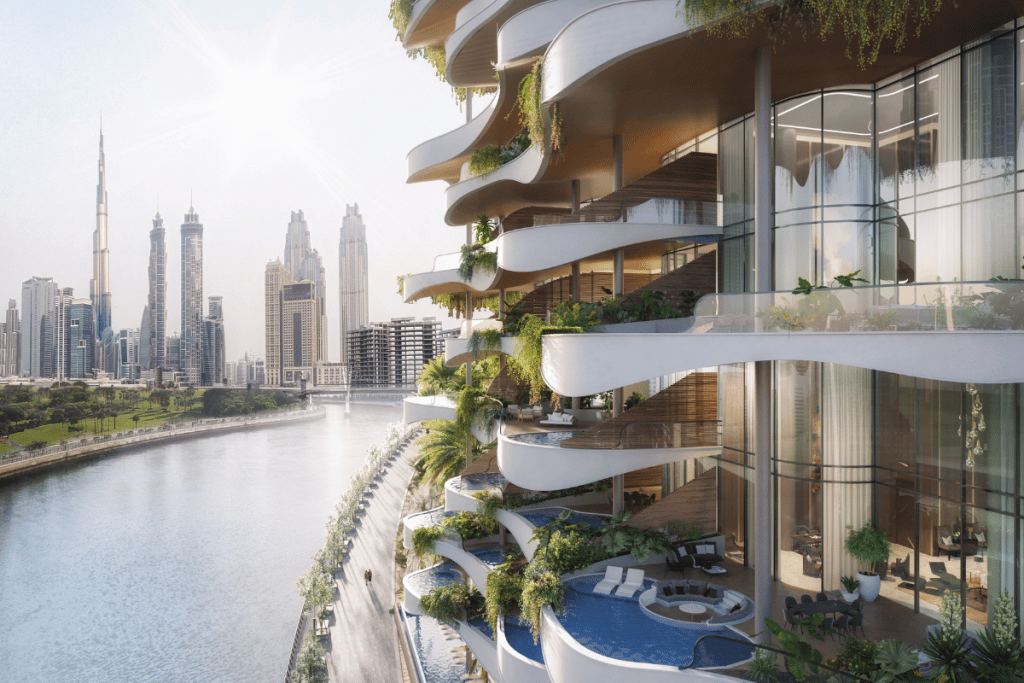
The Dubai real estate market is renowned for its dynamism, characterized by skyscrapers touching the clouds and innovative architectural marvels. Over the past year, this market has experienced its fair share of highs and lows, creating a compelling narrative of resilience, adaptation, and growth. In this blog, we’ll take a closer look at the rollercoaster ride that defined Dubai’s real estate landscape in the last 12 months.
Highs
1. Pent-up Demand Post-Pandemic:
The global pandemic led to unprecedented challenges, but as the world gradually adapted to the new normal, Dubai’s real estate market witnessed a surge in demand. The emirate’s reputation as a safe haven and its robust response to the pandemic attracted international investors seeking stability.
2. Expo 2020 Impact:
The much-anticipated Expo 2020 finally took place, marking a significant high for Dubai’s real estate. The event generated renewed interest and confidence, driving both residential and commercial property investments. The expo’s positive impact rippled through various sectors, contributing to economic growth and infrastructure development.
3. Sustainable Development Initiatives:
Dubai continued its commitment to sustainability, with several real estate projects incorporating green initiatives. The emphasis on eco-friendly and energy-efficient buildings not only aligns with global environmental goals but also attracts environmentally conscious investors.
4. Technological Advancements:
The integration of technology in real estate transactions and property management reached new heights. Virtual property viewings, blockchain-based transactions, and smart home technologies became increasingly prevalent, enhancing the overall real estate experience.
Lows
1. Market Correction Pressures:
The year brought about a correction in property prices, challenging the notion of constant growth. Oversupply in certain segments of the market and changing economic conditions contributed to this correction, requiring stakeholders to reassess their strategies.
2. Global Economic Uncertainties:
The global economic landscape remained uncertain due to factors such as inflation, supply chain disruptions, and geopolitical tensions. These uncertainties had a ripple effect on investor confidence, influencing decision-making in the real estate sector.
3. Shifts in Demand Dynamics:
Changing preferences and lifestyle priorities post-pandemic led to shifts in demand for certain types of properties. The market had to adapt to these evolving preferences, presenting challenges for developers and investors who were not aligned with the new trends.
4. Regulatory Adjustments:
Regulatory changes, including adjustments in visa policies and taxation, impacted the real estate market. Investors had to navigate these changes and reassess their investment strategies in light of evolving government policies.
Bringing it all together:
Dubai’s real estate market, like any other, reflects the dynamic interplay between various economic, social, and global factors. The past year showcased the resilience of the market in the face of challenges, as well as its ability to adapt and innovate. As we reflect on the highs and lows, it becomes clear that Dubai’s real estate landscape is continually evolving, presenting both opportunities and challenges for investors, developers, and homeowners alike. The key to success lies in staying informed, remaining agile, and embracing change in this ever-shifting real estate terrain.
Related Articles:
https://wurarealestate.1wp.site/unlocking-the-potential-investing-in-off-plan-properties-in-dubai/
https://wurarealestate.1wp.site/dubais-housing-market-a-thriving-investment-opportunity/
https://wurarealestate.1wp.site/riding-the-wave-capital-appreciation-in-the-uae-property-market/

Join The Discussion